Get free quotes from calibration services near you
Takes about a minute. Free, no obligation; providers reply to you directly.
The purchase order had already been approved. The vendor had already invoiced us. And our torque wrenches — sitting in a calibration lab somewhere in Ohio — were three weeks overdue with zero communication about when we’d see them back.
Nobody had told us what to actually hand over when we shipped the instruments. Nobody told us what we’d receive back. And nobody told us that “we’ll get to it” is not a turnaround commitment.
That scramble before a major quality audit is avoidable. Here’s what the process actually looks like, step by step, so you’re not learning it the hard way.
The Short Version:Hiring a calibration lab runs roughly 7–10 business days end-to-end for standard service: 1–2 days packing and shipping, 3–5 days in-lab, 1–2 days for delivery and review of your certificates. Prep your instrument list before you call anyone, verify ISO/IEC 17025 accreditation upfront, and build shipping time into every deadline you give your quality manager.
Key Takeaways
- Standard lab turnaround is 5 business days from receipt; many labs hit 1–3 days in practice when workload allows.
- ISO/IEC 17025 accreditation is the non-negotiable baseline — verify the lab’s scope certificate covers your specific instrument types and measurement ranges.
- You need to provide an instrument profile (type, serial number, manufacturer, calibration history) before or with your shipment — labs that don’t ask for this are a yellow flag.
- Out-of-tolerance findings require a documented response from you; receiving a certificate doesn’t mean your instrument passed.
The Step-by-Step Process
Step 1: Build Your Instrument List Before You Call
I’ll be honest — most people call a lab first and then scramble to figure out what they’re even sending. That’s backwards.
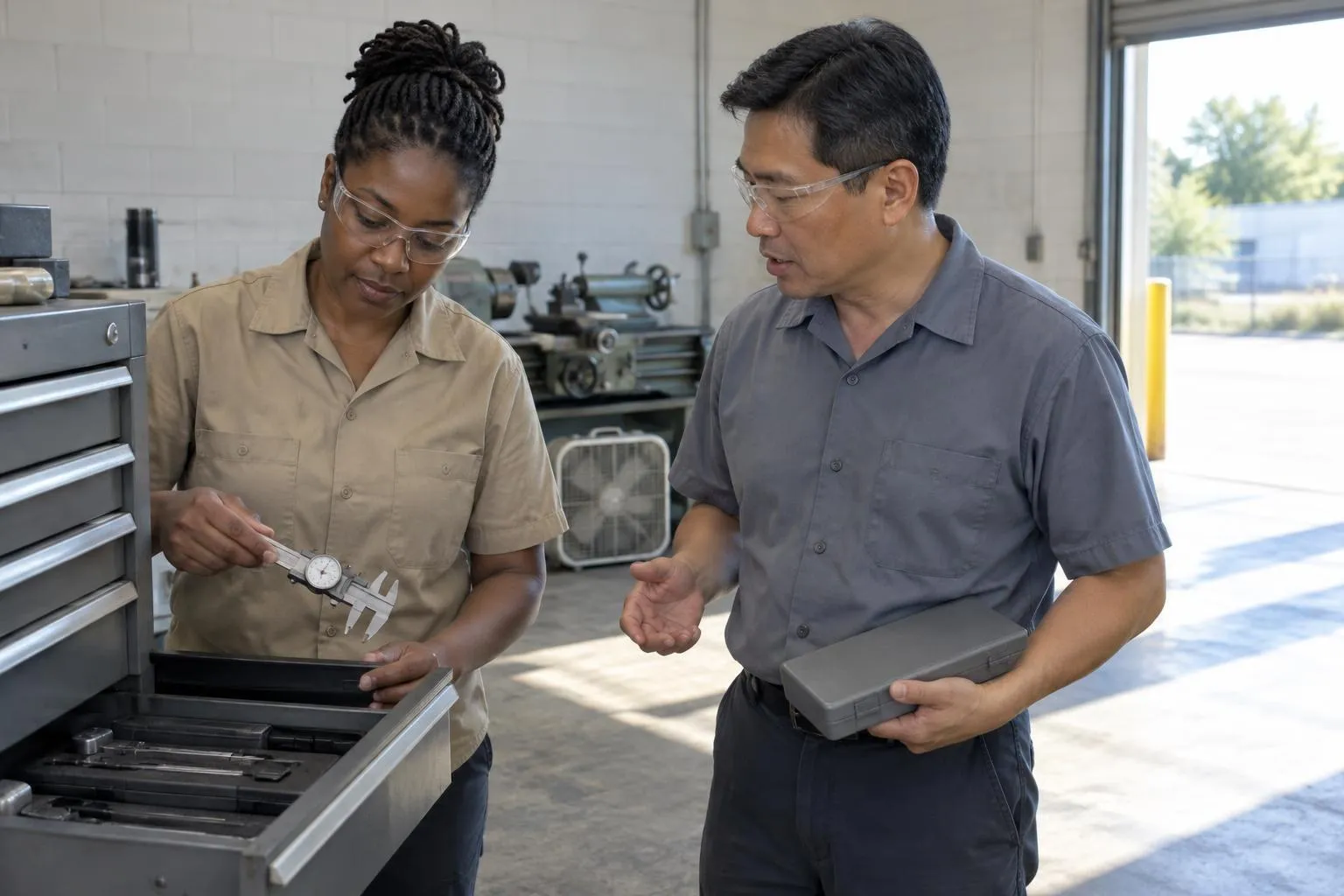
Before you pick up the phone, pull together an instrument profile for each item: instrument type, manufacturer, model number, serial number, measurement range, last calibration date, and any known issues or repairs. This is what the lab needs to quote you accurately and schedule the work.
Labs that run efficient operations will ask for this immediately. If a lab gives you a quote without asking, that’s worth noting.
Pro Tip:If you’re managing a fleet of instruments, batch your calibrations to align with a single scheduled interval. Staggered individual submissions cost more time and generate more paperwork than one coordinated batch every 3–6 months.
Step 2: Verify Accreditation — Specifically
Not “accredited” in general. Accredited for your specific instrument type, in your specific measurement range.
ISO/IEC 17025:2017 is the global standard for calibration laboratory competence. ANSI/NCSL Z540.1 is the U.S. equivalent framework. Both require labs to demonstrate technical competency, documented procedures, and traceability to national or international measurement standards (NIST, in the U.S.).
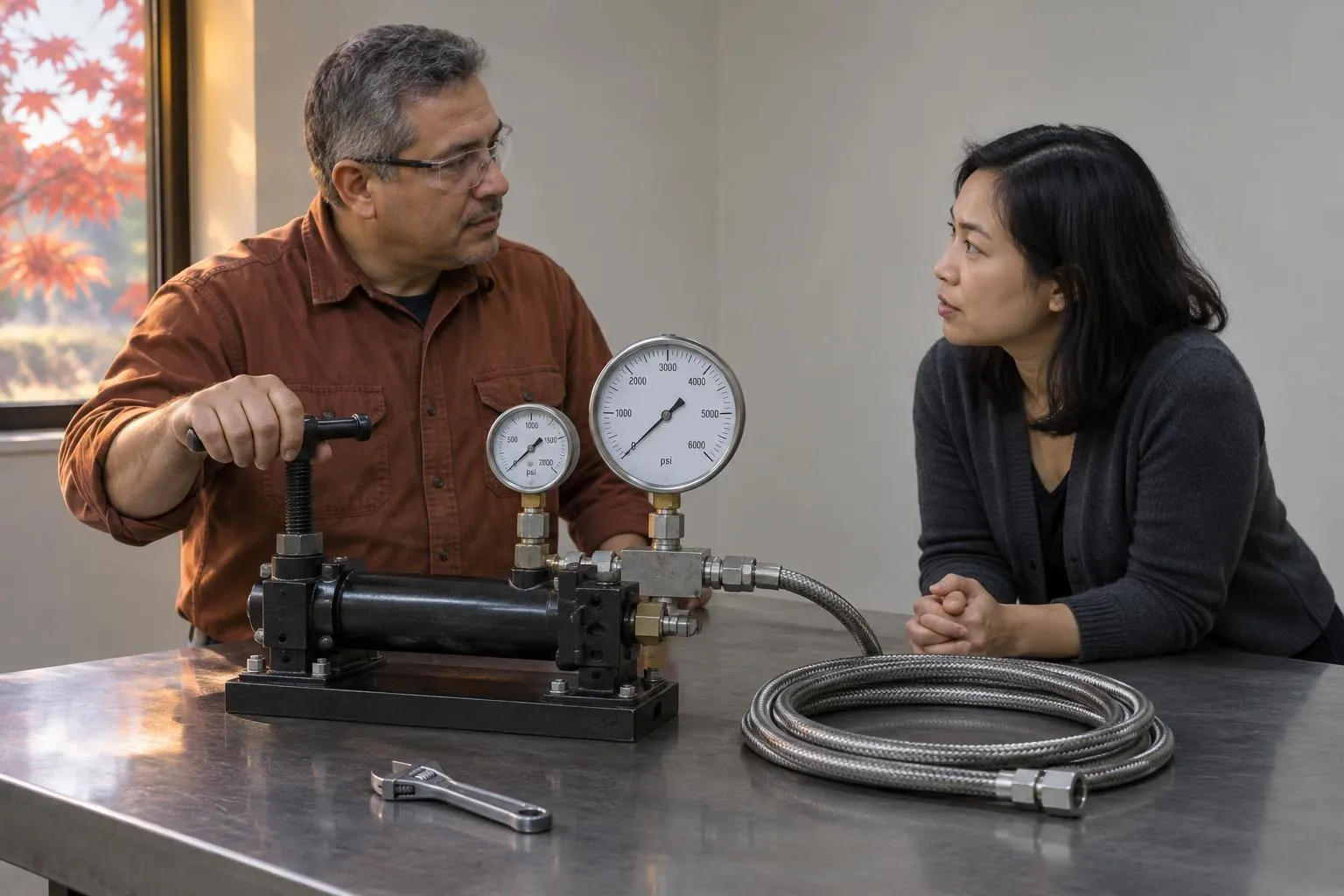
The accreditation body — A2LA, NVLAP, or others — publishes a scope certificate for each lab. That document lists exactly which parameters (dimensional, electrical, pressure, temperature) and which ranges the lab is authorized to calibrate. Read it. A lab accredited for dimensional work isn’t necessarily accredited for the pressure gauges you’re shipping.
Reality Check:“We’re ISO-certified” and “We’re ISO 17025-accredited” are not the same thing. ISO 9001 certification covers quality management systems. ISO 17025 accreditation covers measurement competency. Your audit team will know the difference even if your vendor doesn’t.
Step 3: Request a Quote and Confirm Turnaround
Standard service across reputable labs runs 5 business days from receipt of instruments. Many labs, when workload allows, complete work in 1–3 days. Expedited options exist and carry an additional charge — ask for the specific fee, not just “yes we can rush it.”
Get the turnaround commitment in writing. “We’ll do our best” is not a commitment.
| Service Level | Typical Turnaround | Notes |
|---|---|---|
| Standard | 5 business days from receipt | Most labs’ default; often faster in practice |
| Expedited/Rush | 1–3 business days from receipt | Additional charge; confirm availability |
| On-site/Field | Varies by scheduling | Requires advance booking; verify tech certifications |
| In-house (your facility) | Depends on your staff | Requires calibrated standards and documented procedures |
Step 4: Pack and Ship Correctly
Calibration labs receive instruments in rough shape more often than they’ll tell you. Damaged instruments on arrival delay your turnaround and can void any accountability for pre-existing drift.
Pack for shock, humidity, and temperature swings. Include your instrument list, your purchase order or job number, and any special instructions (target tolerance, specific procedures required). If you’re shipping internationally, include a commercial invoice that identifies the items as goods returning for calibration — customs delays can burn a week on their own.
Here’s what most people miss: instruments that have been physically moved, dropped, or relocated since last calibration should be flagged as potentially out-of-tolerance. Calibrate immediately after any significant movement.
Step 5: The Lab’s Process (What’s Happening While You Wait)
Once your instruments arrive, the lab runs a sequence that looks roughly like this:
- Receipt and logging — instruments are logged against your paperwork, assigned a job number, and queued.
- Visual inspection — physical damage, missing components, and condition on arrival are documented.
- Functionality verification — the instrument is checked for basic operation before calibration begins.
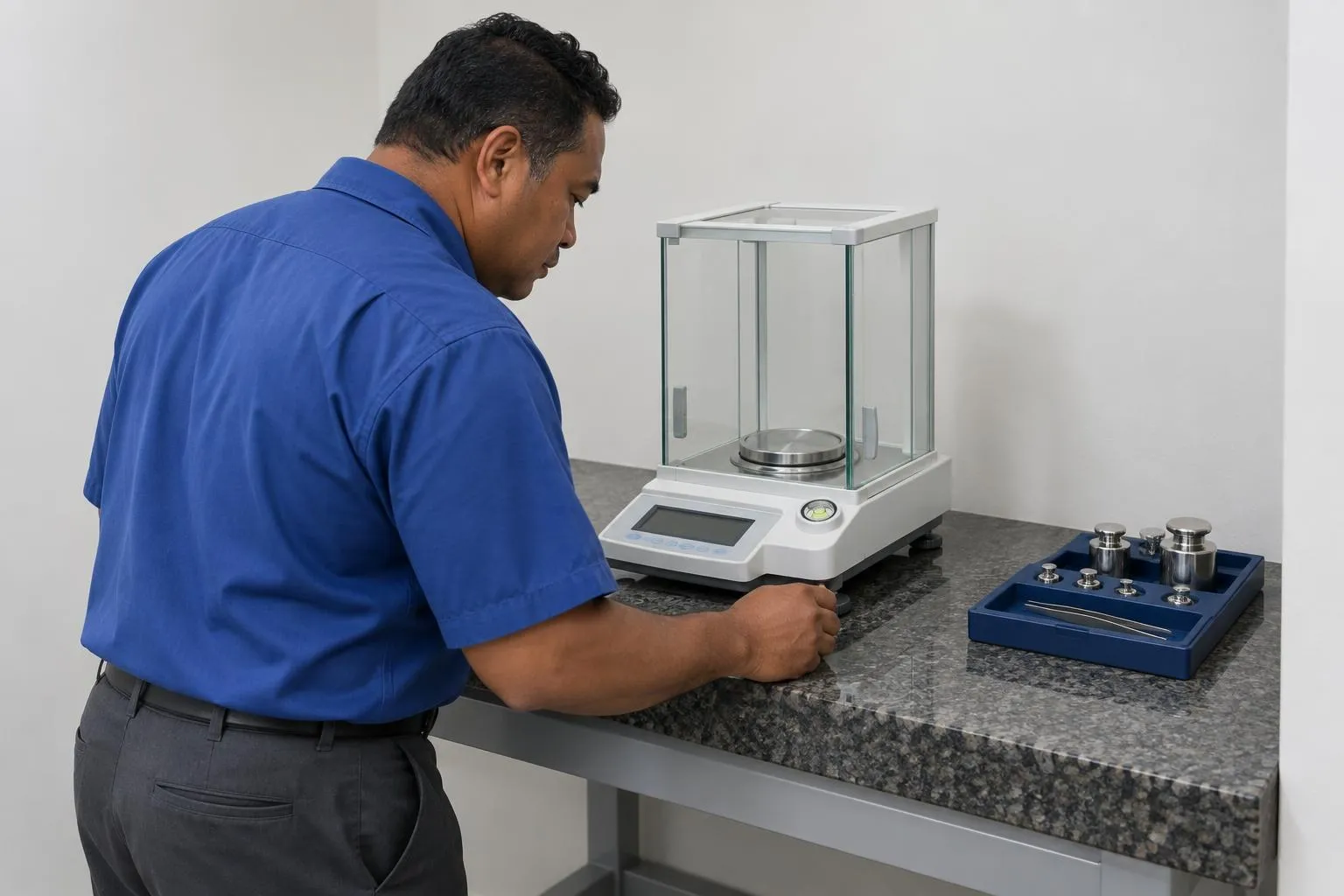
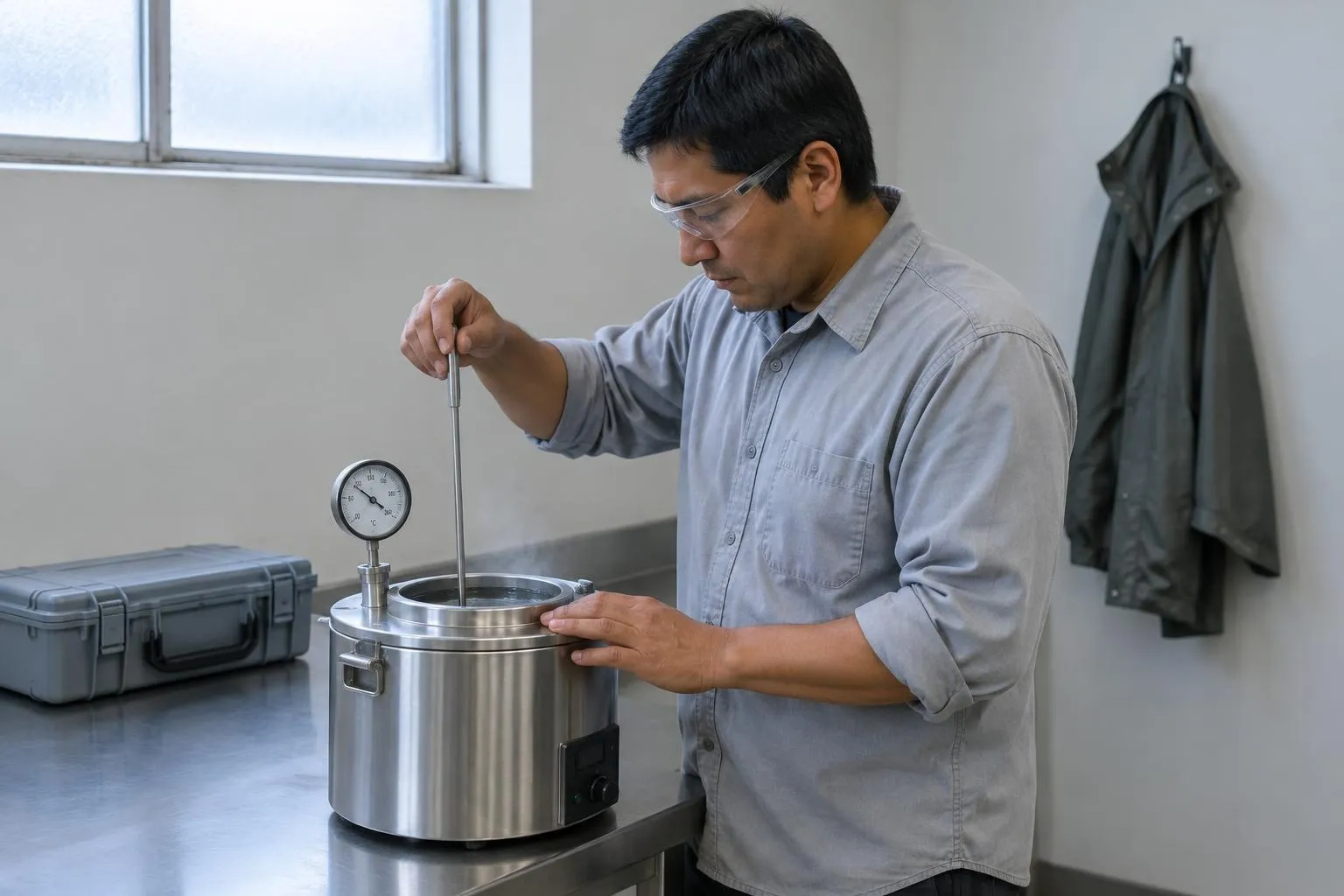
- Calibration — measurements are taken against NIST-traceable reference standards, deviations are recorded, and adjustments are made where specified.
- Documentation — calibration certificates are generated showing as-found and as-left readings, measurement uncertainty, and traceability chain.
- Review and release — a technician (and sometimes a second reviewer) signs off before instruments are returned.
Entry-level technicians typically work across up to three calibration disciplines — electrical, dimensional, and pressure are common combinations. Complex or specialized instruments may go to a senior tech or a specific department.
Step 6: Receive and Review Your Deliverables
A calibration certificate is not just a stamp of approval. It’s a technical record. Know what you’re looking at.
The certificate should include: instrument identification, calibration date, due date for next calibration, the procedures and standards used, as-found and as-left measurement data, measurement uncertainty, and the technician’s name and signature. Any out-of-tolerance conditions should be clearly noted.
Reality Check:An instrument that was calibrated does not automatically mean it passed. If the as-found readings were outside tolerance, that finding has to be investigated — every measurement made with that instrument since the last calibration is potentially suspect. Your QMS should have a documented process for handling this. If it doesn’t, that’s a separate problem to fix.
Step 7: Close the Loop
File the certificates against your instrument records. Update your calibration schedule to reflect the new due dates. If any instruments came back out-of-tolerance, initiate your nonconformance process.
Calibration frequency should be based on manufacturer recommendations, industry standards, and your own usage patterns — most instruments land in a 3–6 month cycle, but high-use tools may need more frequent attention. Set a reminder before the next due date, not after.
Practical Bottom Line
The process has seven steps, but the work on your end is mostly front-loaded. Build your instrument profiles before you engage a lab. Verify ISO 17025 accreditation against your specific instrument types. Get a written turnaround commitment and build shipping time into your deadline math.
For deeper context on how to select the right type of lab for your situation — in-house vs. third-party vs. on-site field service — see The Complete Guide to Calibration Laboratories.
If you’re managing calibration for a regulated environment like medical devices or aerospace, the documentation trail isn’t just good practice — it’s the whole point. Certificates that can’t be traced to NIST-traceable standards won’t survive an FDA inspection or an AS9100 audit.
Find accredited calibration laboratories in your area and request quotes with your instrument list in hand. That one change — showing up prepared — cuts your back-and-forth in half.
Done reading? Get quotes from calibration laboratorys near you.
Takes about a minute. Free, no obligation; providers reply to you directly.
Popular cities:
Nick built this directory to help quality teams find accredited calibration labs without wading through unaccredited shops that can’t support an ISO audit — a gap he discovered when sourcing calibration vendors for a manufacturing client whose instrument traceability chain failed a third-party audit.