Get free quotes from calibration services near you
Takes about a minute. Free, no obligation; providers reply to you directly.
A few years back, I handed a metrology manager a quote from a solo calibration technician — $85/hour, fast availability, glowing LinkedIn profile. Six weeks later, our pressure gauges failed an A2LA audit because the freelancer’s reference standards hadn’t been sent out for ISO 17025 re-certification. The accreditation body didn’t care that he was charming. They cared about the paper trail, and there wasn’t one.
That’s when I started actually paying attention to the difference between “calibration service” and “calibration provider you can actually stake an audit on.”
The Short Version:For routine, low-criticality instruments with flexible timelines, a freelance calibration technician can save you real money. For anything audit-facing, multi-instrument, or ISO 17025-dependent, an accredited agency is worth the premium. The decision is less about cost and more about what happens when something goes wrong.
Key Takeaways
- Agencies charge roughly 3x the base salary equivalent in hourly rates; freelancers run 1.5–2x — but the gap narrows fast when you factor in accountability, insurance, and scope creep.
- ISO/IEC 17025 accreditation is non-negotiable for reference standards and audit-traceable work — verify scope certificates through A2LA or NVLAP before signing anything.
- A hybrid model (accredited lab for annual master standards + on-site freelancer for quarterly process instruments) is how smart facilities actually do this.
- Single-point-of-failure risk is the freelancer’s biggest structural weakness, not price.
The Real Difference Nobody Talks About
Here’s what most people miss: the freelance vs. agency question in calibration isn’t primarily a quality debate. It’s a risk-distribution debate.
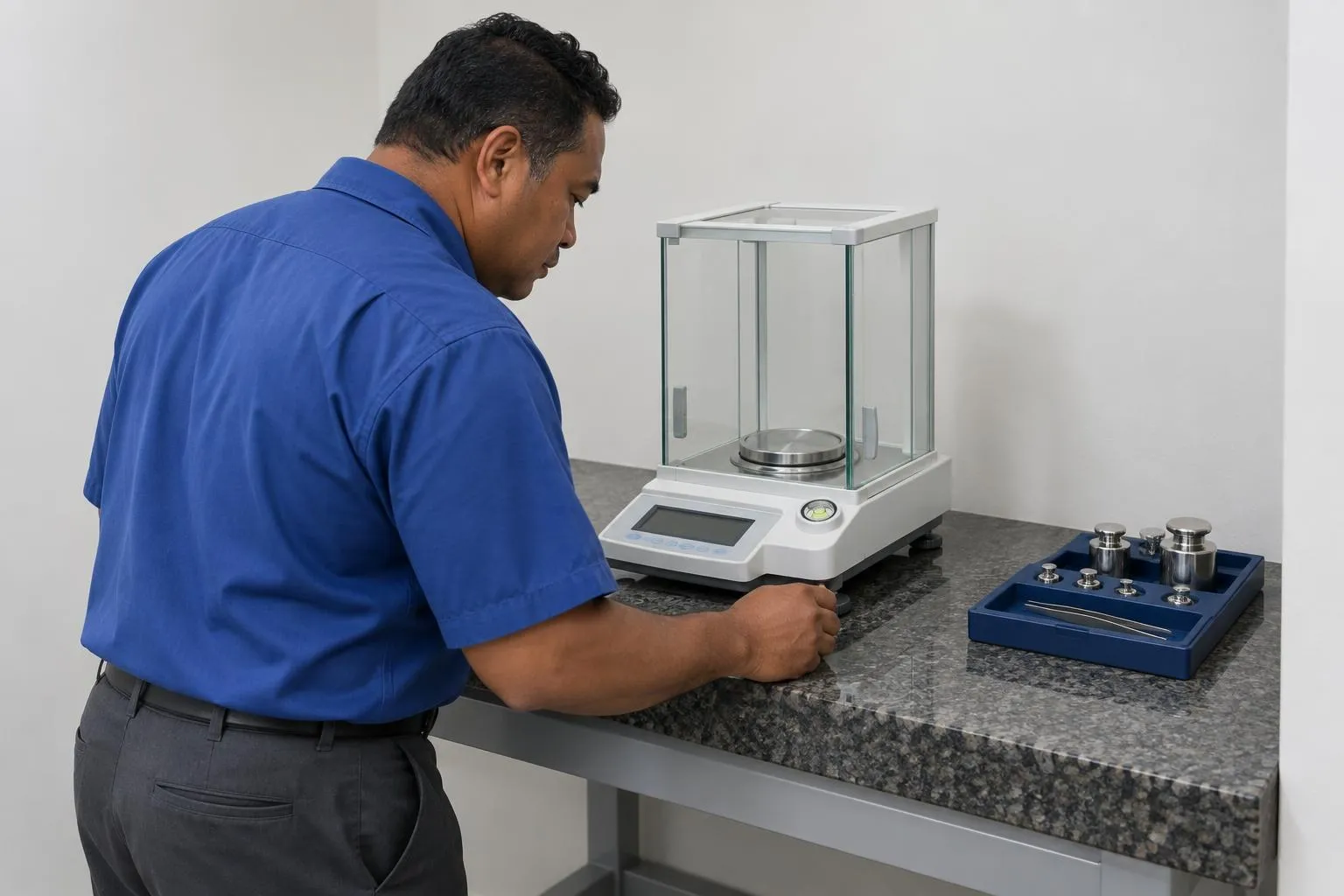
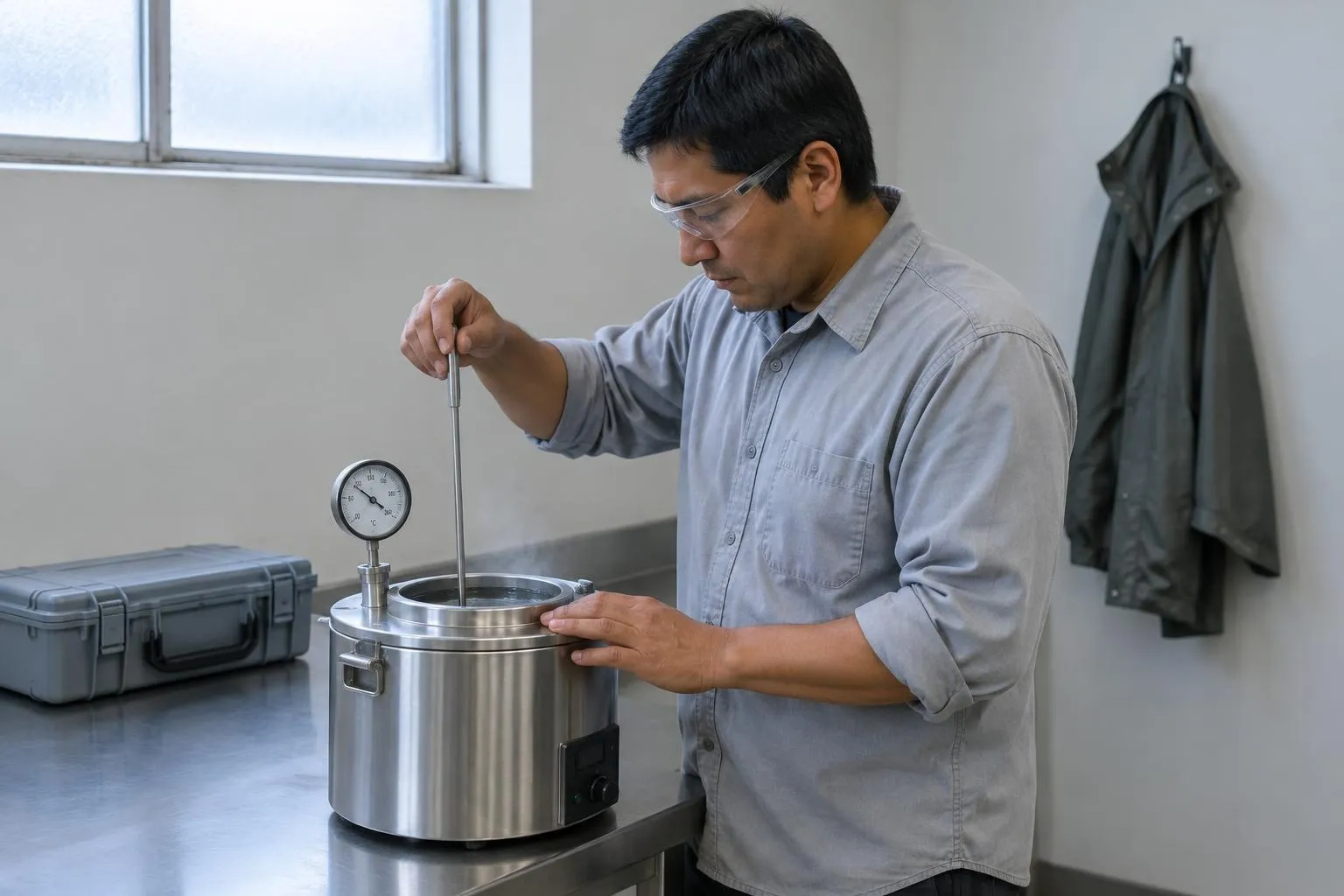
A solo calibration technician might be exceptional. They might carry their own NIST-traceable standards, stay current on uncertainty budgets, and turn around certificates faster than any agency. But when your ISO 9001 auditor shows up and that technician is on another job, or sick, or has let their equipment calibration lapse — the liability lands entirely on you.
Agencies distribute that risk. They have QA teams, redundant equipment, internal audit processes, and liability coverage. That’s what you’re actually paying for when an agency charges three times what a freelancer quotes.
Reality Check:An agency’s higher rate isn’t just overhead greed — it covers non-billable staff, equipment maintenance, code review equivalents (peer certificate review), and the infrastructure that keeps them accredited year-round. A freelancer’s lower rate is real, but it’s priced for their utilization, not yours.
Side-by-Side: Freelance vs. Agency Calibration
| Factor | Freelance Technician | Accredited Agency |
|---|---|---|
| Hourly rate | 1.5–2x in-house equivalent | 3x in-house equivalent |
| ISO 17025 accreditation | Sometimes (verify scope) | Standard; verify A2LA/NVLAP scope |
| Availability | Flexible; single point of failure | Staffed; redundancy built in |
| Turnaround | Often faster for small jobs | Same-day on-site available from larger firms |
| Scalability | Limited to one tech’s capacity | Multi-instrument, multi-site capable |
| Audit documentation | Quality varies widely | Structured, traceable, audit-ready |
| Best for | Small shops, defined scopes, budget-sensitive | Complex facilities, audit prep, ongoing programs |
When Freelance Actually Makes Sense
I’ll be honest — there’s a real use case here, and dismissing freelancers entirely is lazy thinking.
If you’re calibrating a handful of non-critical process instruments on a predictable schedule, and you’re not in a regulated industry that demands formal traceability chains, a qualified independent technician is a legitimate option. You’ll pay less, often get faster scheduling, and may get someone with deeper niche expertise than a generalist agency tech.
The key qualifiers:
- Low-criticality instruments (not reference standards, not audit-facing measurements)
- Defined, repeatable scope — same instruments, same parameters, predictable work
- Verified credentials — ask for their own calibration certificates, equipment service records, and uncertainty budgets before you sign anything
- Not a single-vendor dependency — keep at least one accredited agency relationship active for when you need the paper trail
Pro Tip:Before hiring any freelance calibration tech, ask them to show you the calibration certificates for their own reference standards. If those certificates aren’t current, NIST-traceable, and within scope for your instruments, walk away. This one question eliminates 80% of the bad actors.
When the Agency Premium Pays for Itself
For anything touching ISO 9001, AS9100, or FDA-regulated measurement systems, the agency cost is table stakes, not a luxury.
The hidden math: in-house calibration labs carry ongoing costs for space, climate control, equipment maintenance, and staff — even when sitting idle. Third-party agencies eliminate that fixed overhead entirely, and for facilities that don’t calibrate constantly, the economics flip hard in the agency’s direction.
Biotechnical Services and firms like MicronPA have built their entire value proposition around this: outsourced calibration provides verifiable, standardized results that in-house teams structurally can’t match for occasional-use scenarios. You get same-day on-site service, you free up production floor space, and your quality team gets documentation that survives an audit.
The Al Saqr Engineering hybrid model is worth stealing: send master reference standards to an ISO 17025 accredited lab annually, and use on-site calibration (freelance or agency field tech) for quarterly and semi-annual process instruments. You get lab-grade traceability where it matters and operational flexibility everywhere else.
Reality Check:If your facility has more than 50 instruments or faces external audits, trying to manage a patchwork of freelance relationships is a project management problem on top of a calibration problem. Agencies absorb that coordination overhead.
The Price vs. Reliability Trade-Off, Plainly Stated
Freelancers are cheaper per hour. Agencies are cheaper per audit failure avoided.
That’s not a trick framing — it’s the actual calculus. A $200 savings on a calibration job means nothing if it costs you a week of re-calibration, a re-audit fee, and a corrective action report. The lower hourly rate only stays lower if everything goes right.
For a deeper look at what calibration services actually cover — dimensional, electrical, thermal, pressure, and more — see The Complete Guide to Calibration Laboratories before you start calling providers.
Practical Bottom Line
Hire a freelance calibration technician if:
- You have fewer than 20–30 instruments
- Work is non-audit-facing or low-criticality
- You’ve personally verified their reference standard certificates and accreditation scope
- You have a backup agency relationship for escalation
Hire an accredited agency if:
- You’re preparing for ISO 9001, AS9100, or FDA audit
- You need multi-instrument programs or ongoing service contracts
- Documentation quality is non-negotiable
- You can’t absorb the operational risk of technician unavailability
Implement the hybrid model if:
- You run a mid-size or larger facility with a mix of master standards and process instruments
- You want to optimize cost without compromising traceability where it counts
The freelance option isn’t a mistake — it’s just a tool with a specific job. Use it for the right scope, verify credentials ruthlessly, and never let it be your only option when an auditor walks through the door.
Done reading? Get quotes from calibration laboratorys near you.
Takes about a minute. Free, no obligation; providers reply to you directly.
Popular cities:
Nick built this directory to help quality teams find accredited calibration labs without wading through unaccredited shops that can’t support an ISO audit — a gap he discovered when sourcing calibration vendors for a manufacturing client whose instrument traceability chain failed a third-party audit.