

Office in Scottsdale, AZ
Calibration Laboratories in Phoenix, AZ
Compare curated calibration laboratories, check certifications, read reviews, and request quotes — all in one place.
4 providers Updated October 2026
Map shows providers with a known office location. All providers are listed below.
4 providers
No providers match this filter.
Providers with an office in the Phoenix area, matched by the ZIP code of their published address.
Calibration Laboratories serving Phoenix
MW
Phoenix, AZ
Michelli Weighing & Measurement provides calibration, service, equipment, and custom measurement solutions for industrial and commercial env...
T
Phoenix, AZ
Tektronix provides test and measurement equipment and lists calibration services, including factory and multi-brand calibration. It also lis...
TG
Phoenix, AZ
Thread Gage Calibration is the thread gage calibration division of Osborn Products Manufacturing. It calibrates thread plug and ring gages a...
TC
Phoenix, AZ
Trident Calibration Labs provides calibration, repair, and metrology solutions for electrical, mechanical, dimensional, and process control ...
Elsewhere in the Phoenix(5)
Offices in another part of the Phoenix, listed on their own local page.
Office in Gilbert, AZ
Office in Phoenix, AZ · Office address not yet verified
5 / 5 · 6reviews
Office in Tempe, AZ
Office in Tempe, AZ
Need help choosing? Get matched with top providers in seconds.
0 providers selected
Are you a calibration laboratory in Phoenix? Already listed here: Michelli Weighing & Measurement, Tektronix, Thread Gage Calibration and 1 more.
List your businessHow Calledger Works
01
Browse & Compare
View curated providers, check certifications, and read real client reviews.
02
Request Quotes
Select up to 5 providers and send your project details. Free, no obligation.
03
Book Your Calibration Laboratory
Compare quotes, check availability, and book directly with the provider.
Finding a qualified calibration laboratory in Phoenix sounds straightforward until you’re three weeks out from an AS9100 audit and the lab you’ve been using just told you their dimensional scope expired. Phoenix’s aerospace and semiconductor manufacturing corridor — stretching from Chandler to Goodyear — runs on tight tolerances and tighter audit timelines, which means lab selection mistakes are expensive in ways that don’t show up until the worst possible moment.
How to Choose a Calibration Laboratory in Phoenix
- Verify accreditation scope before anything else. ISO/IEC 17025 accreditation is parameter-specific — a lab accredited for electrical calibration isn’t automatically authorized for dimensional or pressure work. Pull their A2LA or NVLAP scope certificate at a2la.org or nist.gov/nvlap and confirm the exact measurement parameters and ranges match your instruments.
- Match the lab to your industry’s standard. Phoenix’s aerospace suppliers (and there are hundreds feeding Honeywell, Boeing, and Raytheon operations in the Valley) need AS9100-aware labs that understand flow-down requirements. Medical device manufacturers need labs familiar with FDA 21 CFR Part 820 traceability expectations. General ISO 9001 work has more flexibility, but “general” still means NIST-traceable.
- Ask for measurement uncertainty statements upfront. Any accredited lab will provide a calibration certificate with uncertainty values. If a lab balks at discussing measurement uncertainty before you sign a PO, that’s a red flag — it usually means they’re operating on procedure alone without a real quality system behind it.
- Confirm turnaround and on-site capability. Many Phoenix manufacturers can’t afford instrument downtime. Ask whether the lab offers mobile calibration for large or fixed equipment, and what their standard turnaround is versus expedited. Some labs serving the I-10 and Loop 303 industrial corridors can turn certificates in 24-48 hours for common electrical and dimensional work.
- Check for ITAR registration if you’re in defense. A significant slice of Phoenix manufacturing touches controlled technology. If your instruments are used in ITAR-controlled processes, confirm the lab is registered with the State Department’s DDTC — not all accredited labs are.
Pro Tip: Don’t rely on a vendor’s verbal claim of accreditation. Certificate databases are free and take 60 seconds to search. An expired or out-of-scope certificate is worse than no certificate because it gives the false appearance of compliance.
What to Expect
Calibration engagements in Phoenix typically run $500–$5,000 depending on instrument type, complexity, and the number of points documented — a single precision torque wrench might be $80–$150, while a full CMM calibration with environmental controls can push well past $2,000. Turnaround on standard items is usually 5–10 business days, with expedited options available for an upcharge of 25–50%.
Reality Check: The most common mistake quality teams make is treating calibration as a per-instrument line item rather than a system cost. If you’re sending 40 instruments to four different labs to chase lower per-unit prices, you’re paying more in coordination overhead, certificate management, and audit exposure than you’d save. Consolidating to one or two accredited labs with matching scope almost always wins on total cost.
Local Market Overview
Phoenix sits at the center of one of the country’s densest concentrations of aerospace, semiconductor, and advanced manufacturing — Maricopa County alone hosts over 9,000 manufacturers, and the area’s growth in EV and battery production is adding new metrology demand every quarter. That means lab capacity is competitive, and the best-accredited labs in the metro book out weeks in advance ahead of Q4 audit season; getting on a preferred vendor list before you need emergency service is the move.
Frequently Asked Questions
How much does a calibration laboratory cost in Phoenix?
Calibration Laboratory services in Phoenix typically run $500-5,000 per calibration engagement, depending on scope, complexity, and turnaround requirements. Expedited work and specialized equipment add cost.
What should I look for in a calibration laboratory?
Look for ISO/IEC 17025 — it's the credential that separates qualified calibration laboratories from the rest. Also verify insurance, check reviews, and confirm they can handle your project's specific requirements.
How many calibration laboratories are in Phoenix?
There are currently 4 calibration laboratories listed in Phoenix, AZ on Calledger.
What does "Sponsored" mean on a listing?
Sponsored providers pay for more prominent placement on pages where they already qualify to appear. Payment does not change a provider's location, credentials or reviews, and it is not an endorsement. All providers on Calledger — sponsored or not — are real businesses.
Calibration laboratory Resources
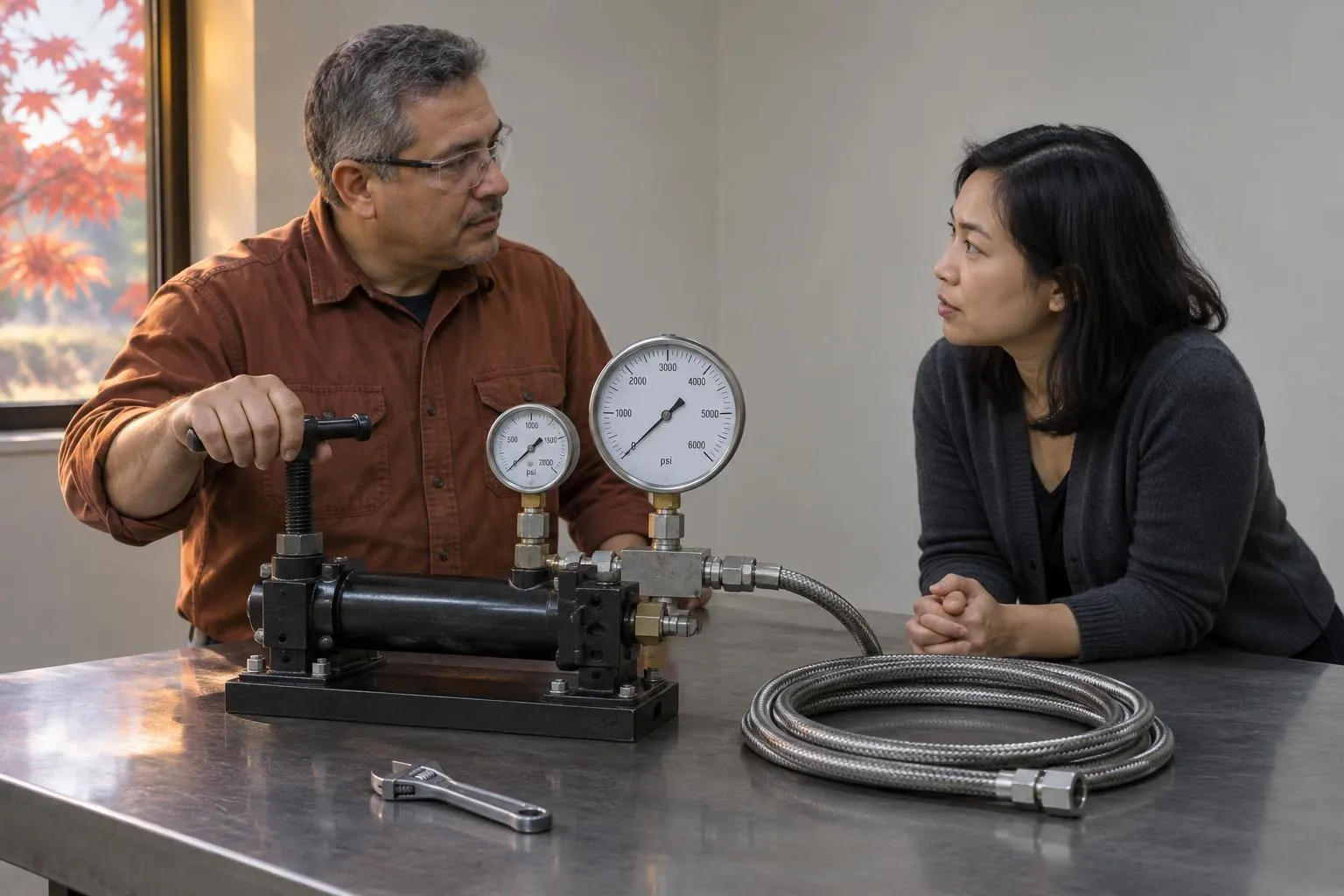
How to Review a Calibration Laboratory's Work (Quality Checklist)
8-point checklist for reviewing calibration laboratory work: verify as-found data, NIST traceability, uncertainty values, and ISO/IEC 17025 accreditation…
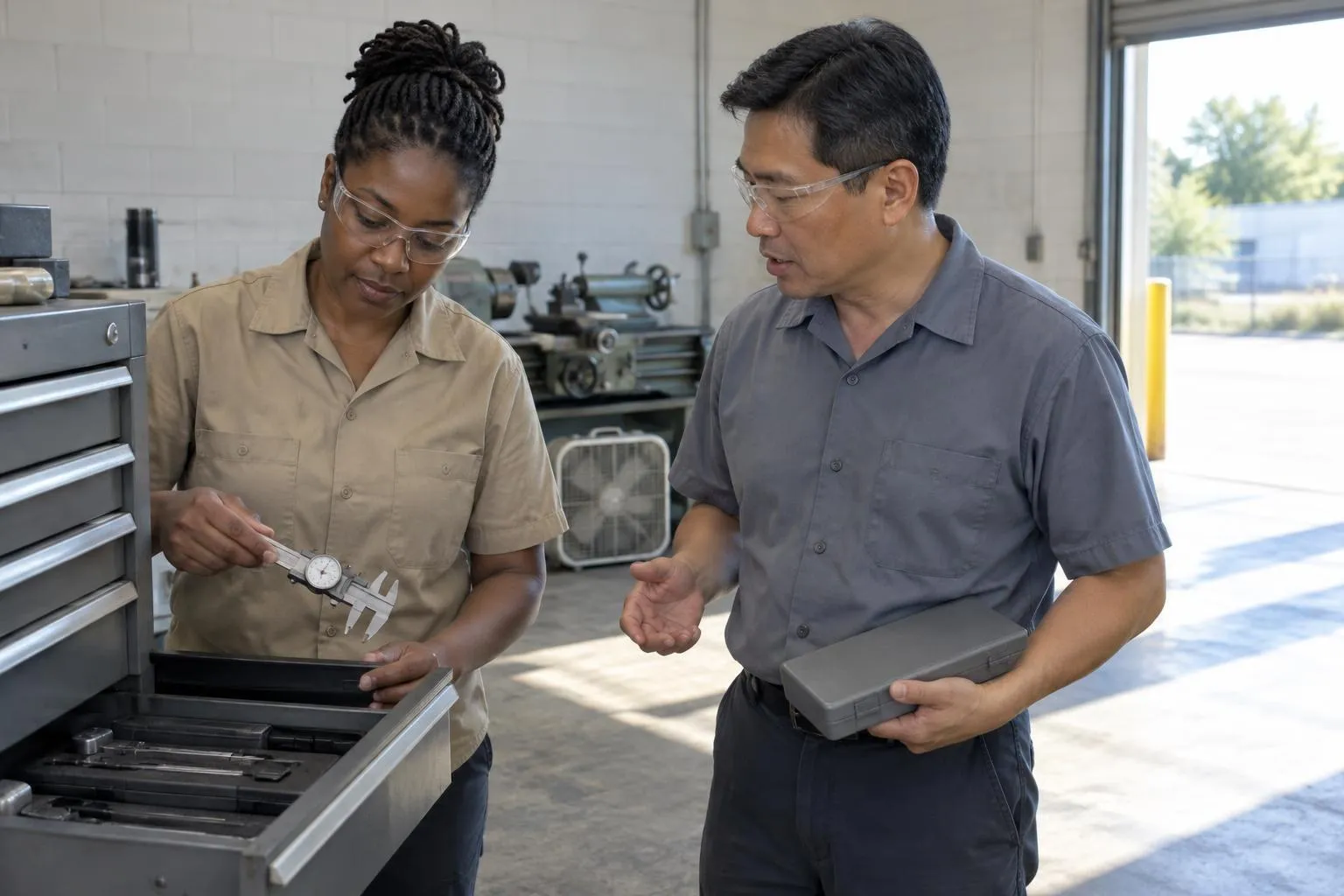
How to Prepare for a Calibration Laboratory Session (Manufacturers And Quality Assurance Team's Checklist)
Skip calibration laboratory prep and risk invalidating past measurements. This ISO 9001 checklist covers traceability, certificates, and audit evidence.
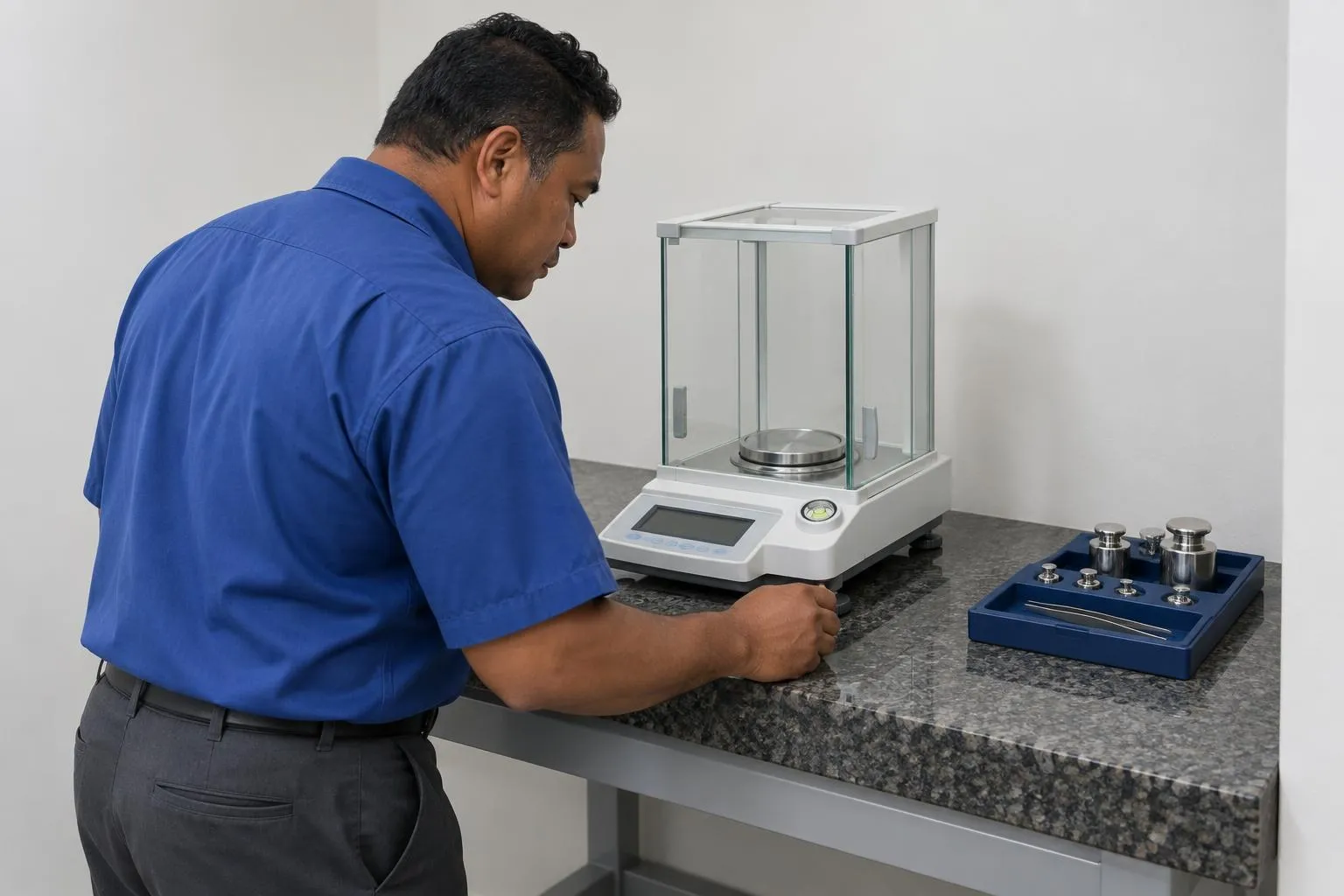
9 Common Calibration Laboratory Mistakes (And How to Avoid Them)
Most calibration laboratory failures come down to process, not instruments: wrong schedules, lost accreditation, bad environments. Here are all 9 fixes.
Looking for more? Browse our full resource library or find calibration laboratorys in other cities.