

Calibration Laboratories in Washington, DC
Compare curated calibration laboratories, check certifications, read reviews, and request quotes — all in one place.
No providers match this filter.
Providers with an office in the Washington area, matched by the ZIP code of their published address.
Need help choosing? Get matched with top providers in seconds.
0 providers selected
Are you a calibration laboratory in Washington? Already listed here: Accurate Calibration LLC.
List your businessHow Calledger Works
Browse & Compare
View curated providers, check certifications, and read real client reviews.
Request Quotes
Select up to 5 providers and send your project details. Free, no obligation.
Book Your Calibration Laboratory
Compare quotes, check availability, and book directly with the provider.
Finding a qualified calibration laboratory in Washington, DC shouldn’t require a procurement specialist and three months of vendor vetting — but between the federal contractor ecosystem, defense-adjacent suppliers, and the sheer density of regulated industries packed into 68 square miles, the options are genuinely hard to sort. This directory exists to cut through that noise and get your instruments in front of an accredited lab without the guesswork.
How to Choose a Calibration Laboratory in Washington
-
Verify accreditation scope before anything else. ISO/IEC 17025 accreditation is the floor, not the ceiling — what matters is whether the lab’s scope certificate covers your specific measurement parameters and ranges. An A2LA- or NVLAP-accredited lab that’s authorized to calibrate torque wrenches to 500 N·m is not the same as one that stops at 200 N·m. Pull the actual scope document from A2LA or NVLAP’s public directory, not just the lab’s marketing page.
-
Ask about NIST-traceable uncertainty budgets. Any reputable lab will provide a calibration certificate with measurement uncertainty values. If a quote doesn’t mention uncertainty or the lab can’t tell you their reference standard’s traceability chain, walk away. For federal contractors and medical device suppliers operating in DC, this isn’t optional — it’s audit bait if it’s missing.
-
Match the lab to your industry’s accreditation body. Defense and aerospace suppliers in the DC corridor typically need AS9100-compatible providers; medical device manufacturers should prioritize labs familiar with FDA 21 CFR Part 820 requirements. Not every ISO/IEC 17025 lab has the same audit-readiness posture.
-
Check turnaround commitments in writing. Standard service runs 5–15 business days for most parameters. If you’re up against an ISO 9001 or AS9100 surveillance audit, confirm rush turnaround availability — and whether expedited service carries a surcharge or a different certificate format.
-
Confirm on-site calibration capability. Large or fixed instruments — coordinate measuring machines, environmental chambers, pressure rigs — can’t always leave the floor. DC-area labs with field calibration teams eliminate the logistics problem entirely, but not all offer it.
Pro Tip: DC’s density of federal agencies and prime contractors means several labs here maintain very specific scope extensions for government metrology requirements (ANSI/NCSL Z540, MIL-STD-45662A legacy compliance). If your customer is a federal agency or DoD prime, ask specifically whether the lab has experience with government source inspection — it changes which certificates are acceptable.
What to Expect
Calibration engagements in Washington typically run $500–$5,000 depending on instrument type, parameter complexity, and whether on-site service is required — electrical multifunction calibrators and dimensional gauges tend toward the lower end, while pressure standards, high-accuracy torque tools, and complex RF equipment push toward the upper range. Most labs quote per instrument, so a batch submission of 20 calipers from the same family will cost significantly less per unit than 20 different instrument types requiring separate setups.
Reality Check: The most common pricing mistake is comparing sticker prices between labs without comparing what the certificate includes. A cheaper certificate that omits as-found data (the pre-adjustment reading) is worthless if your customer or auditor asks for objective evidence of drift — you’ll pay to redo it. Always spec “as-found / as-left” data on your purchase order.
Local Market Overview
Washington’s market is shaped almost entirely by its federal and regulatory gravity — with agencies like NIST itself headquartered just outside the district in Gaithersburg, a significant share of DC-area calibration labs are either government-operated, contractor-operated, or explicitly scoped to serve government metrology programs. That’s an asset for quality teams who need rigorously documented traceability; it’s also a reminder that turnaround times in the metro area can compress during fiscal-year-end spending surges in September, when instrument queues back up across labs serving federal customers simultaneously.
Frequently Asked Questions
How much does a calibration laboratory cost in Washington?
Calibration Laboratory services in Washington typically run $500-5,000 per calibration engagement, depending on scope, complexity, and turnaround requirements. Expedited work and specialized equipment add cost.
What should I look for in a calibration laboratory?
Look for ISO/IEC 17025 — it's the credential that separates qualified calibration laboratories from the rest. Also verify insurance, check reviews, and confirm they can handle your project's specific requirements.
How many calibration laboratories are in Washington?
There are currently 1 calibration laboratories listed in Washington, DC on Calledger.
What does "Sponsored" mean on a listing?
Sponsored providers pay for more prominent placement on pages where they already qualify to appear. Payment does not change a provider's location, credentials or reviews, and it is not an endorsement. All providers on Calledger — sponsored or not — are real businesses.
Calibration laboratory Resources
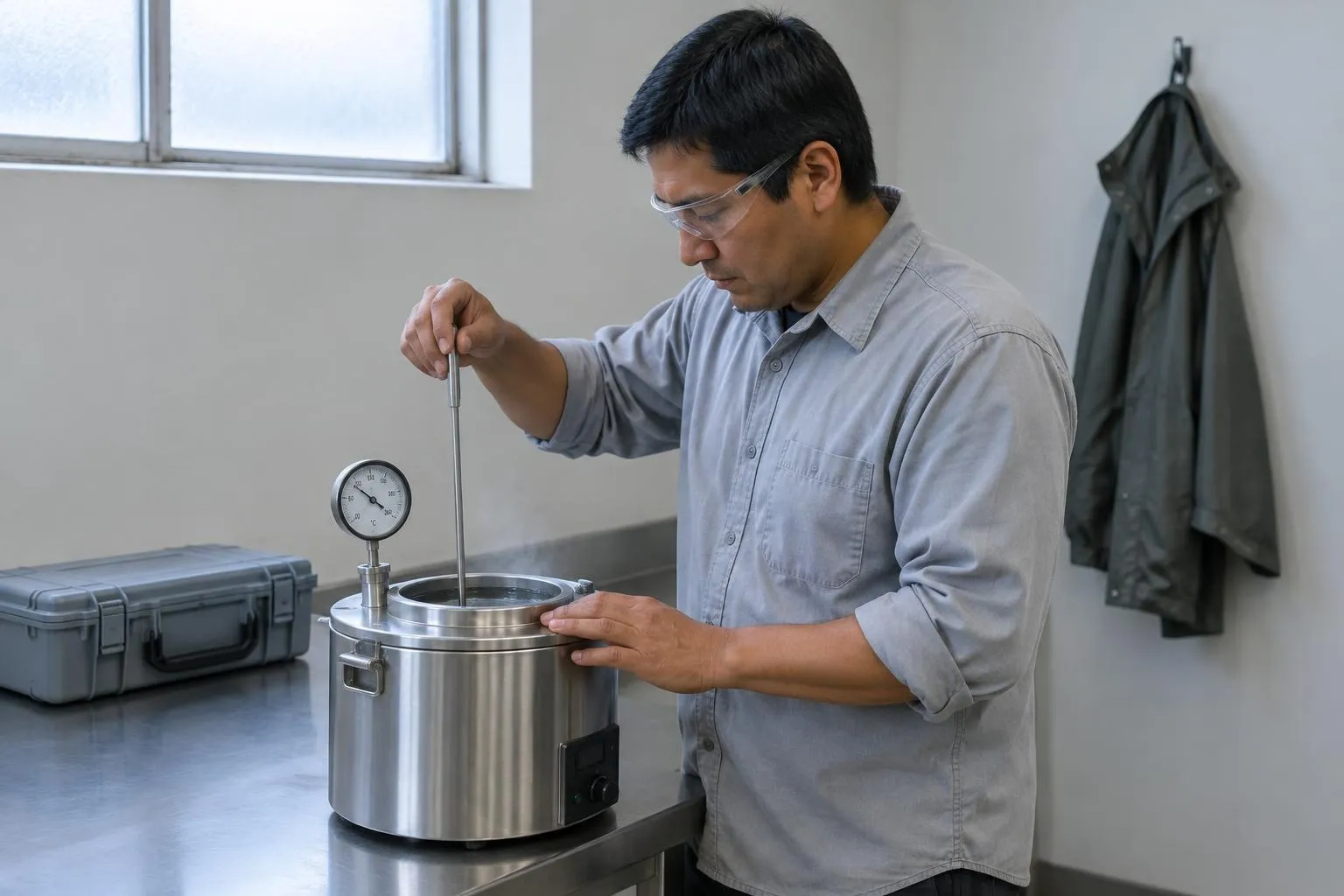
Freelance vs. Agency Calibration Laboratory: Which Should You Hire?
Freelance calibration techs cost less upfront, but one missing ISO 17025 certificate can sink your A2LA audit. Here's how to choose the right calibration…
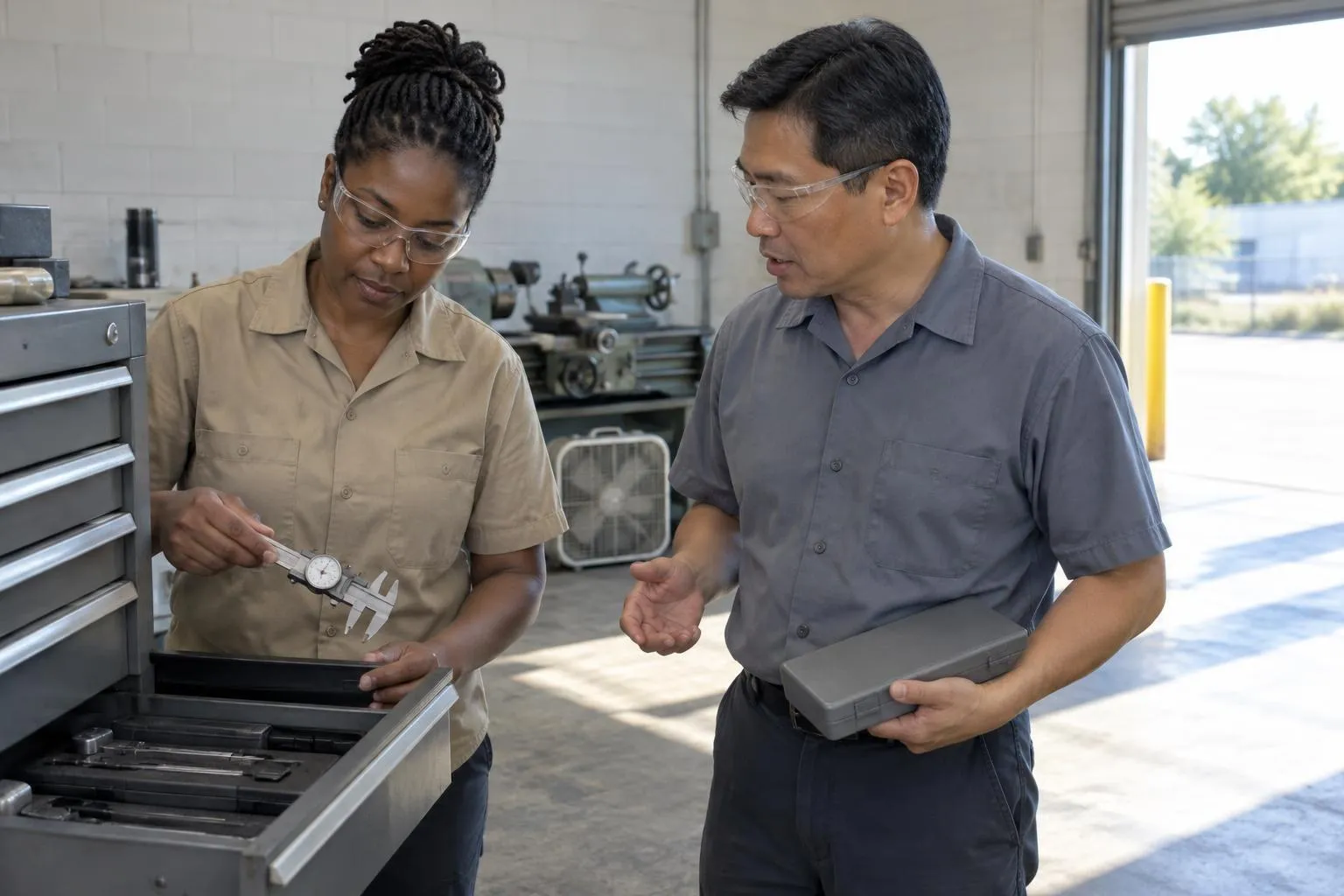
How to Prepare for a Calibration Laboratory Session (Manufacturers And Quality Assurance Team's Checklist)
Skip calibration laboratory prep and risk invalidating past measurements. This ISO 9001 checklist covers traceability, certificates, and audit evidence.
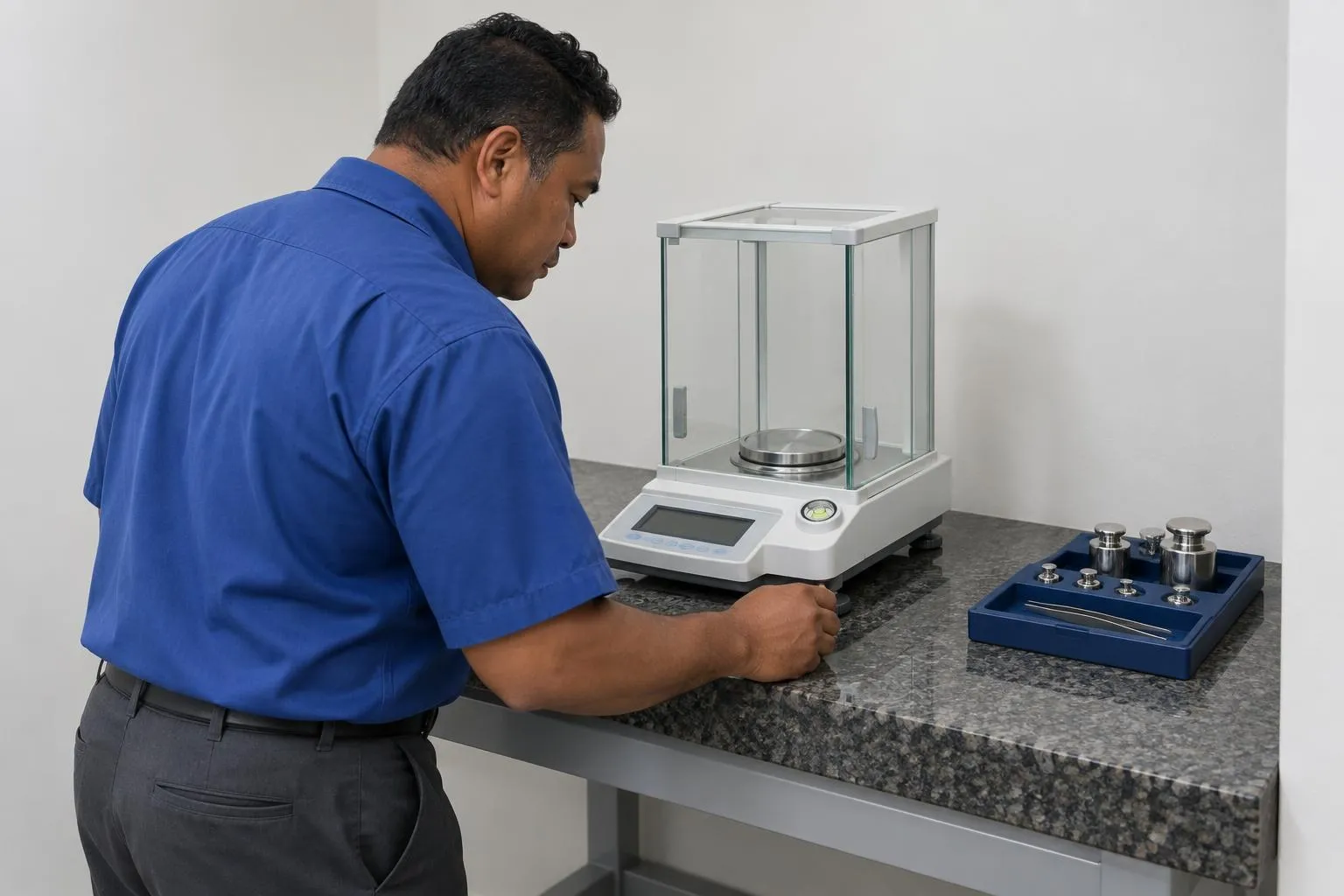
9 Common Calibration Laboratory Mistakes (And How to Avoid Them)
Most calibration laboratory failures come down to process, not instruments: wrong schedules, lost accreditation, bad environments. Here are all 9 fixes.
Looking for more? Browse our full resource library or find calibration laboratorys in other cities.